Qbet Registration In France: Register

Create an account, secure access, choose a suitable deposit and manage your limits on mobile in France, 2026 version.

Play Now!
Slot Fortune Gems 2

Table of contents

  • The Dog House Megaways Slot
  • Lucky Joker 10 Extra Gifts Slot
  • Sword of Ares Slot
  • Floating Dragon Hold & Spin Slot
  • Leprechaun Riches Slot
  • Fruit Coctail Slot
  • The Dog House Megaways Slot
  • Sword of Ares Slot
  • Fruit Million Slot
  • The Dog House Megaways Slot
  • Fruit Box Slot
  • Big Fisherman Slot
  • Seven Books Unlimited Slot
  • Qbet Fortune Slot
  • Sword of Ares Slot
  • Floating Dragon Hold & Spin Slot
  • 9 Mad Hats Slot
  • Floating Dragon Hold & Spin Slot
  • Big Bass Splash Slot

Qbet Registration: Steps To Create Your Account

Imagine you're in a café, headphones on, and you want to finish everything in 3 minutes. Most players click quickly, skip a verification, then come back later because a detail is missing. The right method is calmer: you follow the order, you validate, then you move on to the setup.

Play Now!
login 1

Qbet is accessible in France and is aimed at adults (18+) under applicable rules. In fact, this means you will sometimes be asked to confirm information or secure your access, especially if you change devices or initiate a sensitive action. Rather than seeing this as an obstacle, consider it a safeguard: your actions remain traceable and your account remains better protected.

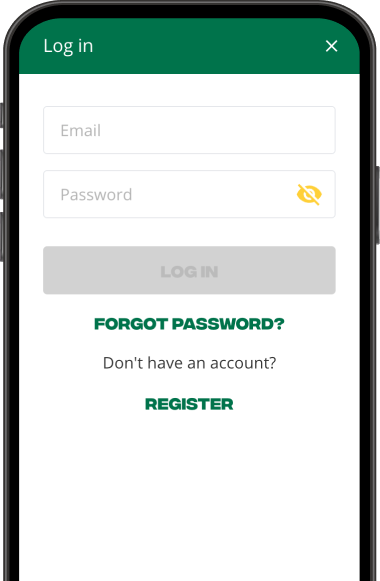
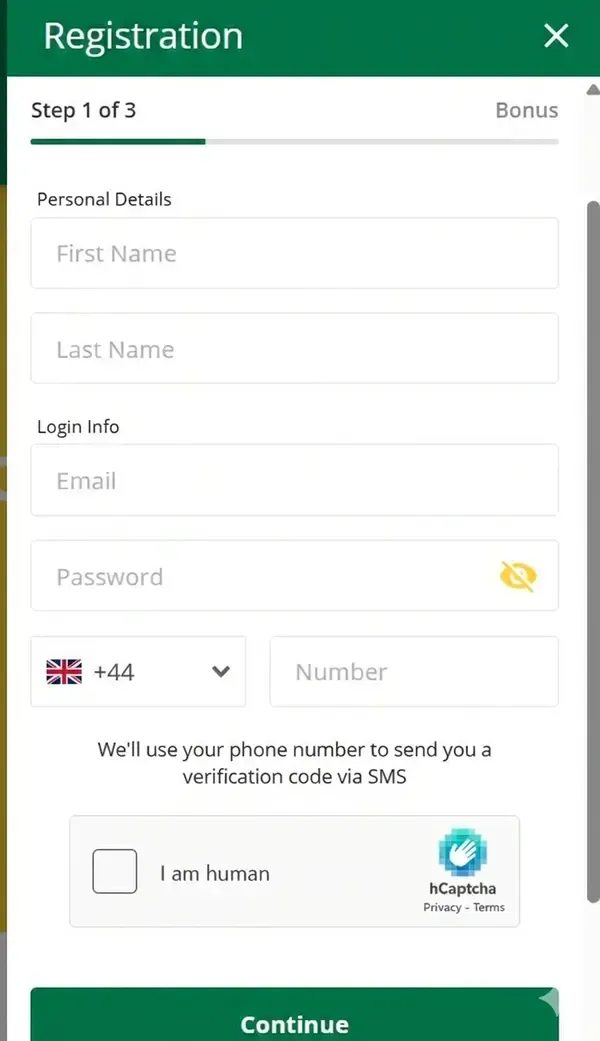
Start by choosing a login ID that won't complicate your life. A reliable contact address, a number you actually use, then a strong password. Then, get into the habit of checking each field before validating. A typo on mobile happens quickly, and it's exactly this kind of detail that causes "I haven't received anything" or "I can no longer confirm" issues.

After creation, immediately look for the important settings: security, limits, transaction history, and support. These are the four areas that will save you time later. Many players discover these menus only when a withdrawal is pending or when a session goes over the limit. Do the opposite: set up your framework from the start, and you'll play more relaxed.

login 2

Prepare Your Information Before Account Opening

If you register between two notifications, you risk doing things halfway. Imagine starting on public transport, then losing network connection, then resuming in the evening and not remembering what you've already confirmed. To avoid this scenario, prepare 3 things before touching the “validate” button.

Play Now!

First, your consistent contact details. Use the same information that appears on your documents, especially if verification is requested later. Next, secure access to your email or phone, because confirmation often goes through there. Finally, a clear idea of your budget and session duration. This last point is underestimated: without a plan, registration becomes the start of an impulsive session.

Also think about your device. On mobile, a low battery and an unstable connection are a duo that encourages clicking too quickly. Take a minute to place yourself on a reliable network and avoid interruptions. This is not “technical” advice; it's a way to limit human errors.

And keep a simple rule: don't change everything at once. If you need to correct a detail, do it and then wait, rather than chaining profile modifications, payment method changes, and withdrawal requests in the same hour. The more orderly your actions, the smoother everything remains.

login 3

Secure Your Account After Registration in 2026

Imagine losing your phone one evening. You want your account to remain closed, for no one to be able to act in your place, and for you to regain access without panic. That's exactly why security should be a habit, not an option you activate “later”.

Play Now!

The foundation is device protection and account protection. Device side: screen lock, strong code, biometrics if you already use it. Account side: unique password, automatic logout after inactivity, and, if available, additional confirmation for sensitive actions. Comfort is not incompatible with caution, on the contrary: a good configuration makes the experience simpler.

Next, check your responsible gaming settings. In France, access is restricted to adults (18+) and the idea is not to “play more,” but to play while staying in control. Set a deposit limit, a time limit, or a session reminder. If you do this calmly, you avoid making decisions in the middle of a tense moment.

Finally, learn to use the history. It's your compass: deposits, withdrawals, confirmations, statuses. On mobile, it's easy to get a false idea by just looking at the balance. The history, however, tells the true story.

Create Strong Credentials Without Locking Yourself Out

Imagine choosing an “easy” password, then having to change it urgently after an alert. Many players think they're saving time, but they end up losing it. The good compromise is simple: a long and unique phrase, or a set of words you don't use anywhere else, with a few variations.

Avoid classic reflexes: birth date, first name, number sequences. On mobile, a keyboard can encourage simplification, but you can help yourself with a password manager or a memorable phrase. And if you activate biometrics, still keep a strong password: it's your plan B if you change devices.

Also think about “quick” logins. If your phone is strictly personal, it's convenient. If you lend it sometimes, disable automatic login. The rule is basic: the more shared the device, the stricter the access should be.

Establish a Safe Login Routine

Imagine logging in in a public place, someone walks behind you, and you feel that slight discomfort. The routine that protects without being cumbersome is short: stable network, no sensitive entry on public Wi-Fi, and log out as soon as you're finished.

On a phone, an open session is the real danger. You put the device down, answer a message, come back, and forget that the account is still accessible. Activate automatic logout after a period of inactivity and lock your screen. These are two actions that prevent 90% of silly situations.

And if you receive a security alert, don't ignore it. Change your password, check connected devices, then contact support if something seems inconsistent to you. Better an “unnecessary” check than lingering doubt.

Good Password and Recovery Practices

Imagine you have a strong password, but you haven't thought about recovery. The day you change your phone, you risk going in circles. Make sure your contact address is accessible and your number is correct, then keep a simple method to regain access without stress.

Also avoid multiplying accounts “for convenience.” A single, well-configured account with consistent information is easier to protect and verify. And when you modify a key element, do it when you are calm, not between two notifications.

Public Connections, Device Sharing and Useful Habits

Imagine you're at a friend's house and you log in “just to check.” Then you forget to log out. On mobile, this scenario is frequent. The rule is clear: no logging in on a device you don't control, and no sensitive actions on a questionable network.

If you have no choice, limit yourself to browsing, then log out immediately. And keep your device locked permanently. These are simple habits, but they make a huge difference in the long run.

Initial Deposit and Limit Settings on Qbet

Imagine your first session: you want to deposit, start a game, then stop without feeling like you're “slipping.” Often, players deposit first and think later. Do the opposite: choose a budget, set a duration, then use the deposit as a tool, not as an impulse trigger.

On mobile, a deposit is validated in a few seconds, and that's precisely why you need to slow down for a fraction of a minute. Check the amount, the method, and the confirmation screen. Once validated, go check the history. If the operation appears with a clear status, you proceed. If you see nothing, wait and refresh, rather than restarting in a loop.

Limits are your safety net. Deposit limit, time limit, session reminder, break. In France, usage is restricted to adults (18+) and the best practice is to choose realistic limits, not “on principle.” A ceiling that is too strict encourages circumvention, a ceiling that is too broad is useless. Adjust according to your real habits.

Choose a Payment Method Suited to Your Routine

Imagine you mostly play in the evening, for 20 minutes, and you want a simple method, without surprises. Consistency is your friend: use a method you understand and keep it stable. Changing routes every session creates additional verifications and increases the risk of error, especially on a small screen.

Also think about afterwards. Depositing is one step, withdrawing is another. To keep everything fluid, keep your information aligned: same identity, same account holder data, and a clear history. This is not an administrative detail; it's a way to avoid blockages when you want to retrieve your balance.

And if your connection is unstable, wait. It's better to wait two minutes than to validate in doubt, and then spend ten minutes checking if the action has been taken into account.

Set Limits Before Playing, Not During

Imagine losing two rounds in a row and saying to yourself, “just one more.” That's where limits make all the difference. If they are already in place, you don't have to negotiate with yourself. You follow the framework you chose calmly.

Set a deposit cap, a session cap, or both. Add an automatic break if you tend to prolong without realizing it. And if you feel the urge taking over, use a timeout. A short break breaks the impulse and restores your clarity.

Most importantly: don't treat these tools as mere decoration. Check that they are active. A simple check in your settings prevents you from relying on your memory.

Understand Transaction Statuses Without Stress

Imagine validating an operation and not seeing the balance move immediately. Many players panic and click again. The correct reaction is simpler: you look for the operation in the history and check its status.

A “pending” status often means that processing or confirmation is underway. A “confirmed” status allows you to proceed. And if nothing appears, wait a moment, check your network, then consult your internal messages. On mobile, the display can sometimes refresh with a slight delay.

Keep one principle: one action at a time. Deposit, then verification. Play, then stop. Withdrawal request, then follow-up. This rhythm makes everything clearer and reduces errors.

Step on Mobile

What You Do

What You Check

Why It Matters

Account Creation

You complete the profile

Exact contact details, consistency

Avoids confirmation blocks

Security

You activate protections

One-time password, lock

Reduces the risk of unwanted access

First Deposit

You confirm an amount

Method, amount, confirmation screen

Limits validation errors

Session Start

You choose a budget

Time limit, reminder, pause

Prevents the session from exceeding limits

Withdrawal Request

You enter the amount

Up-to-date information, clear history

Makes tracking simpler

Tracking

You check the history

Status, messages, possible steps

Keeps you in control of the process

Withdrawals, Support, and Problem Resolution

Imagine you finish a good session and want to withdraw without friction. You don't want to guess; you want a clear procedure. The best strategy is to avoid last-minute changes: no profile modification, no method change, no multiple requests at the same time.

On Qbet, as on any platform, withdrawals can trigger security checks. This is normal: the goal is to protect the account and verify that the request truly comes from you. If an additional step is requested, complete it calmly, then return to check the status, rather than "starting all over again".

And when a problem arises, support only becomes useful if you provide concrete details. "It's not working" doesn't help. "At 9:14 PM, I validated such-and-such action, I saw such-and-such message, and here is the displayed status" saves an incredible amount of time.

Requesting A Withdrawal Without Creating Confusion

Imagine you're in a hurry, you confirm a withdrawal, then remember you wanted to modify some information. Don't do it. Wait for the request to run its course. Changes during an ongoing operation are the easiest way to trigger additional verifications.

Before confirming, re-read everything: amount, chosen method, account holder information. Then, once the request is sent, verify that it appears in the history. If it's there, you have your proof. If you don't see it, wait, refresh, then check your internal messages.

This discipline may seem slow, but it makes the process faster because you avoid back-and-forths and corrections.

Tracking History Without Becoming Obsessed

Imagine you refresh the screen every thirty seconds. You'll exhaust yourself and gain nothing. The right pace is simple: you check the status, wait a reasonable interval, then check again.

The history should become your "source of truth". If a status changes, that's where you'll see it. If a step is requested, it's often indicated by a message or an alert. And if you have a doubt, make a note: date, time, amount. You'll be more comfortable and communicate better with support if necessary.

In 2026, speed doesn't come from clicking, it comes from order. Structured tracking is better than constant agitation.

Contacting Support With The Right Details

Imagine you write to support while you're still annoyed. Your message becomes unclear, and you receive a list of questions. Take a minute: write what you were doing, at what time, and what the screen displayed.

Add three pieces of information that change everything: the type of device, the type of connection (Wi-Fi or mobile data), and if the problem repeats itself in exactly the same place. If you see an error message, copy it verbatim. Do not paraphrase.

With this, assistance can guide you step by step, without guessing. And you maintain a sense of control, which is valuable when it comes to money and security.

Timeout And Self-Exclusion: When To Use Them

Imagine you're playing to "make up for losses" and you feel your plan has disappeared. That's the time to use a break. A timeout cuts the momentum, gives you distance, and allows you to come back later with a clear mind.

If you want a longer break, self-exclusion is the clearest tool. It's not a punishment; it's a protection you activate for yourself. In France, access is for adults (18+) and playing responsibly also means knowing when to stop.

The important thing is to decide calmly. If you wait until you're on the verge of excess, you'll find it harder to press the button. So choose your framework now, while you're reading calmly.

2026 Tips For Playing On Mobile In France

Imagine you often play "in between," during a busy day: five minutes here, ten minutes there. On mobile, this rhythm can be convenient, but it can also lead to impulsivity if you don't have a routine. The solution is simple: short sessions, active limits, and a clean logout every time.

Think digital hygiene. No open session, no validation on a dubious network, no profile changes during a withdrawal. And keep your phone protected like you would protect your wallet. These actions are not dramatic; they are simply logical.

Finally, remember that comfort is not an end in itself. True comfort is clarity: you know where you stand, what you have validated, and when you stop.

Simple Routine For A Responsible Experience

Imagine a 60-second routine, even before playing. You log in, check your limits, look at the history if there's been a recent operation, then choose a game and a budget. Then, you play a short block, stop, and log out.

This routine seems basic, but it protects you against the "everything at once" that creates errors: multiple deposits, dubious validations, and mental fatigue. It also reduces risks on a shared device because you won't forget an open session.

If you feel you're losing control, don't argue with yourself. Activate a break. It's the simplest and most effective tool to regain a healthy rhythm.

FAQ

Start on a stable network and take a minute to prepare your contact details and access to your email or phone. Fill out the profile without rushing, re-read before validating, then immediately activate security settings and a session limit. Avoid making multiple changes at once right after opening: one action at a time, then a check in the history, and you keep the process fluid.

Imagine you request a withdrawal or change sensitive data, and an additional confirmation appears. This is often a security measure to protect the account and ensure that usage remains restricted to adults (18+) within the framework of applicable rules in France. The best way to avoid back-and-forth is to maintain consistent information from the start and not modify your profile during an ongoing operation.

Before getting annoyed, check the obvious: network, airplane mode, notifications, and accuracy of your contact details. Wait a few minutes, then request a resend only once, without clicking frantically. If nothing arrives, calmly reconnect and check your internal messages or the status of your profile. As a last resort, contact support with the time, the action attempted, and your connection type, so they can diagnose without guessing.

Yes, but do it methodically. Imagine changing your phone, address, and payment method all on the same evening: you increase the risk of additional checks and waste time. Modify one element, verify it's correctly saved, then wait before touching the rest, especially if a deposit or withdrawal is in progress. This discipline makes your account more stable and security steps simpler.

Choose realistic limits, based on your rhythm, not on a promise to 'do better'. Define a deposit cap or session budget, then add a time reminder if you easily lose track of minutes. If you feel an impulse building, use a timeout: it's a break that stops the momentum. For a longer break, self-exclusion is the clearest option, and it exists to protect you.

Imagine you validate on mobile and the screen doesn't update immediately. Do not repeat the action. Open the history and look for the corresponding line, then check its status. If there's a message or a step to complete, follow it once, then check again. If nothing appears, wait a bit, refresh, and check your network. In case of persistent doubt, contact support with the time, amount, and message displayed.

Avoid public networks for sensitive actions and never leave your session open when you put down your phone. Activate screen lock, use a secure login method, and prefer automatic logout after inactivity. Make your deposits and withdrawals when you are on a stable connection, then check the history instead of relying on your gut feeling. With these simple habits, mobile remains practical without becoming risky.

Play Now